The Madrid issue
A Madrid Weekend That Ends at Shakira's 27 September Show
How to build three days in Madrid around a Sunday-night stadium concert nine kilometres south of the centre: museums, markets, flamenco and the ride home.

By Lieke DoornWalking routes, quiet hours and the barrios worth slowing down in

The stadium Shakira is playing sits nine kilometres south of the centre, on a Villaverde street that no guidebook had a reason to name until this year. Madrid's Line 3 runs from the middle of the city down in that direction, so a whole weekend can be strung along one metro line instead of criss-crossing the map. Sort that geography out on the Friday and the Sunday night looks after itself.
The show, and the ride back

Shakira Stadium at Iberdrola Music (Villaverde, C/ Laguna Dalga) is a temporary, purpose-built stadium rather than a permanent fixture of the city, standing for a residency of eleven nights across three weekends: 18-20 and 25-27 September, then 2-4 and 9-11 October 2026. The 27th closes the September block and falls on a Sunday. That matters more than the date suggests, because Sunday is when Madrid's opening hours least resemble the rest of the week.
Tickets run from around €60 to €250 and above depending on tier. Seated tiers are sold in blocks, so a group of six booking in one transaction can usually secure adjacent seats. The general admission pit is first-come on the night, and buying together changes nothing about where you end up standing in it. If the pit matters to you, arrive early and accept that you are queueing rather than arriving. There is no group door policy and no group entrance: everyone comes through as an individual with an individual ticket.
Doors are timed for a 20:30 start. Settle the return leg before you think about the outfit. Tens of thousands of people leave a field nine kilometres from the centre within the same few minutes, and the metro absorbs that slowly. Check the designated station and any shuttle arrangement printed on your ticket in the week of the show, because a temporary venue's transport plan is not the same as a permanent stadium's, and decide in advance whether you will walk ten minutes clear of the exit before ordering a car or queue for the train with everyone else. Agree a meeting point that is not the venue gate, where phone signal will be poor and everyone looks the same in the dark.
Plan your Madrid trip
Live prices from our booking partners.
Free cancellation on many rooms. We may earn a commission when you book.
Where to sleep so the geography works
Two areas do the heavy lifting for this particular weekend. Atocha puts you on the transport spine, with the two big museums within a ten-minute walk and the airport train in the same building. Lavapiés and La Latina, immediately west and north of it, are cheaper, livelier and still one stop from that spine, and that is the trade you make. Anywhere north of Gran Vía is pleasant and adds twenty minutes to every leg of a show day. If you are still choosing, the Madrid hotel search is the place to compare the two areas on price before you commit. The difference on a concert weekend is usually smaller than people expect. The difference in walking is not.
Friday night in rooms that were here first
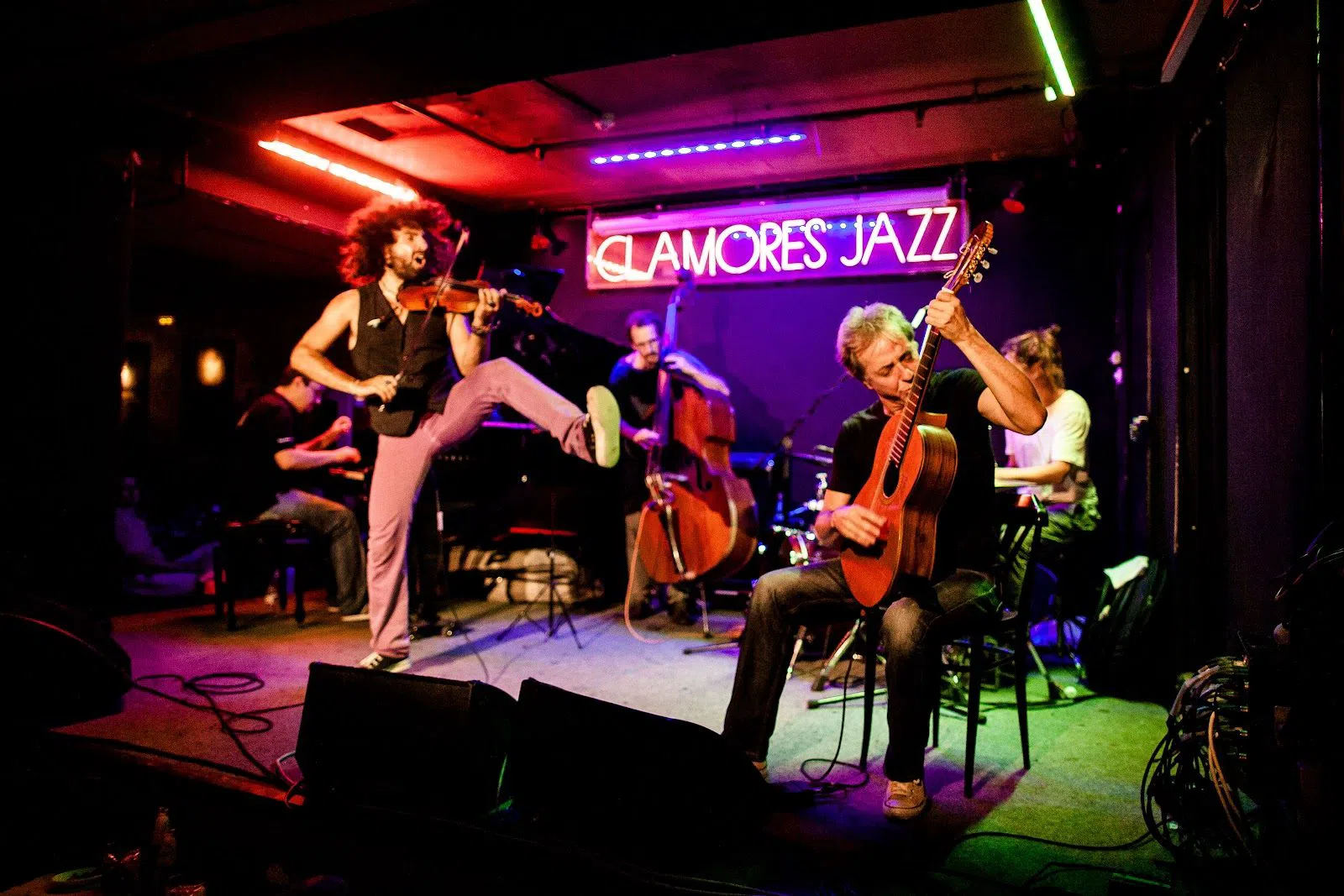
Sala Clamores (Chamberí) has been programming jazz, soul, funk and flamenco most nights of the week since 1981. Seating is cabaret-style and booked by table, so it is the easy fixture for six to eight people who want to sit down, hear something and talk between sets. Tickets run €12 to €25 and weekend bills sell out, so buy ahead rather than turning up.
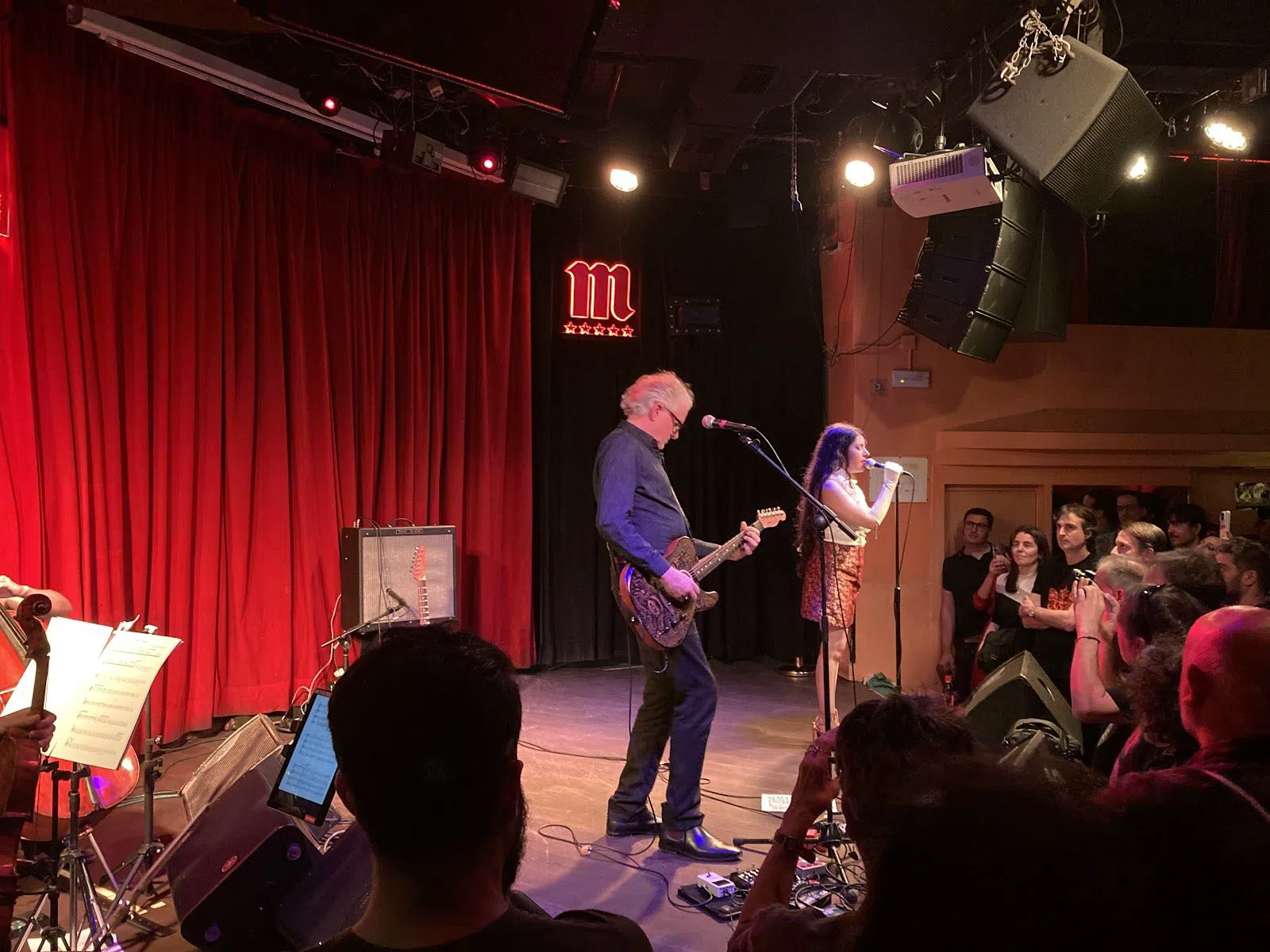
Sala El Sol (centre, off Gran Vía) opened in 1979, and Nacha Pop, Radio Futura and Alaska y los Pegamoides all came up in this room, so its claim on the city's music history is a real one rather than a decorative one. It is standing room with no table service, entry €10 to €20 and cheaper on DJ nights. Groups get in fine, but once it fills they do not get to stand together.
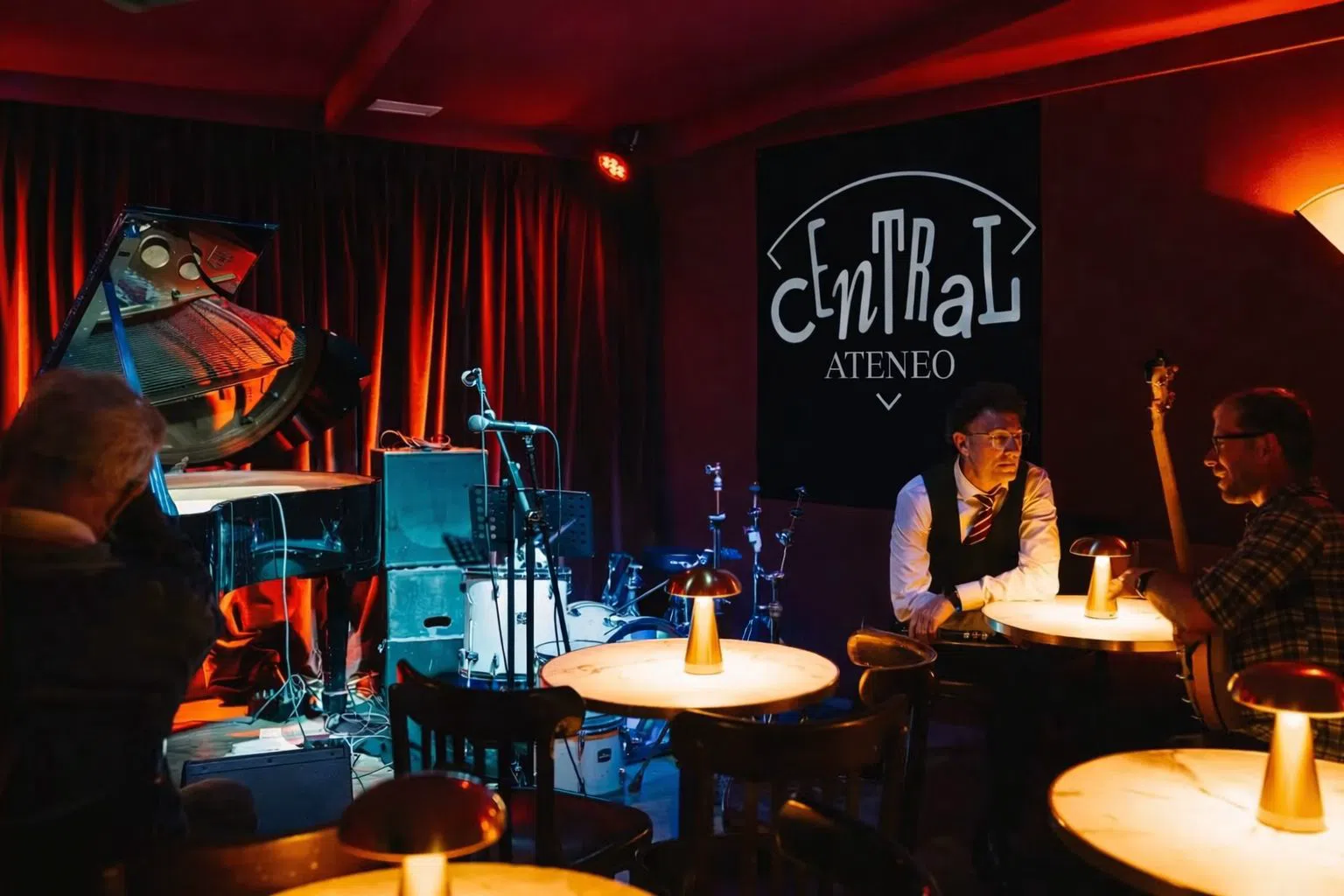
Café Central Ateneo (Barrio de las Letras) is the address to get right. The club left Plaza del Ángel in April 2026 and reopened 400 metres away inside the Ateneo, so older guidebooks and a fair number of map pins will send you to an empty building. It is a small, seated, ticketed room at €15 to €25 plus drinks. Book ahead for more than four, and ask about La Cátedra, the larger space, if you are a bigger party.
Flamenco, and the sitting to choose
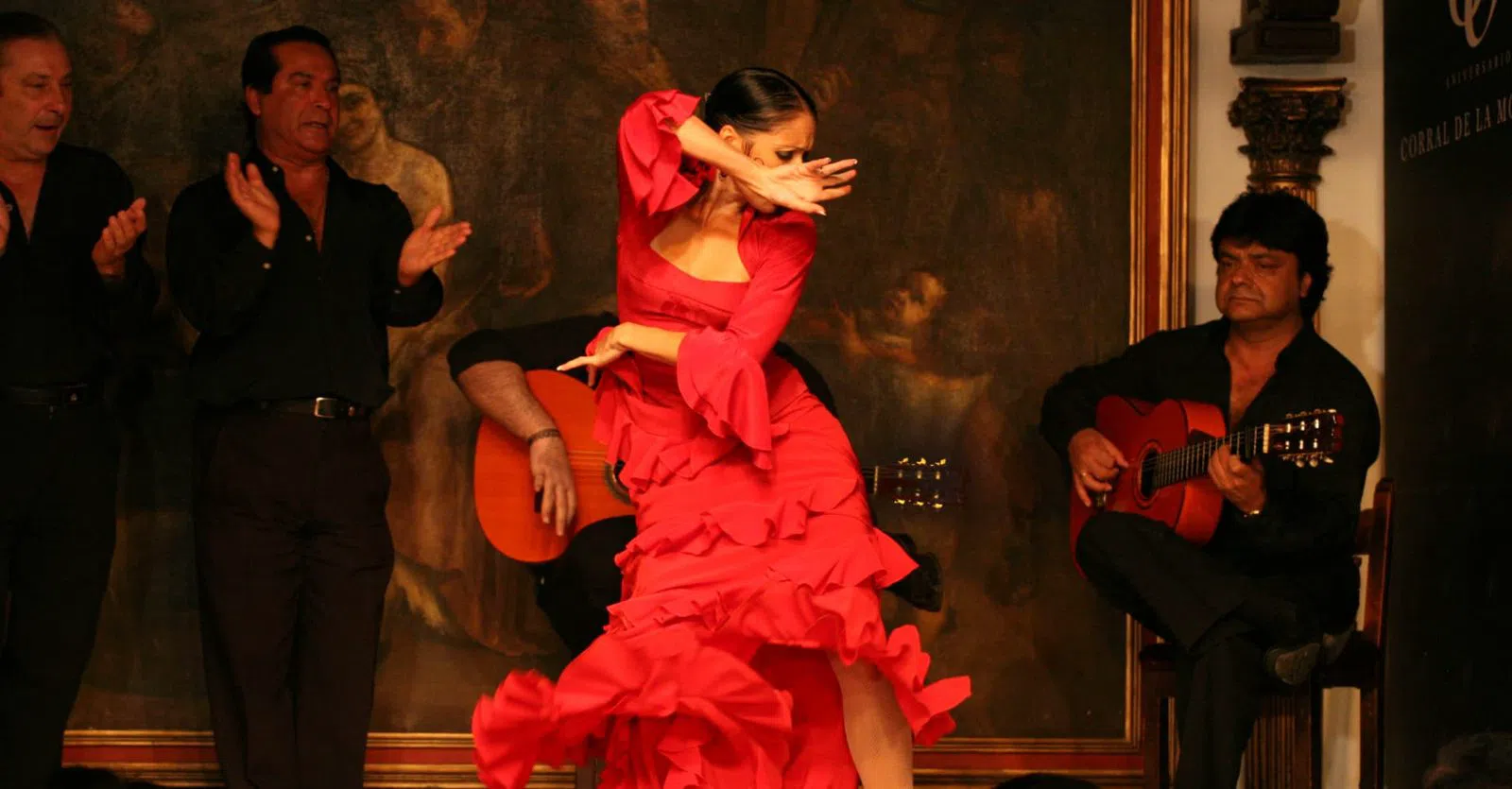
Corral de la Morería (La Latina) has run since 1956 and is the only flamenco venue in the world holding a Michelin star. That star belongs to a separate gastronomic room with four tables and eight seats in total, a different booking and a different evening from the tablao. The show with a drink is €55; the show with dinner runs €100 to €170, and the tasting menu sits above that. If the stadium ticket has already taken the budget, book the show-only seat without apology, because it is the same performance. Take the earlier pass either way, so the night is still open afterwards. The tablao seats groups readily with advance booking, which most rooms this size will not do.
Saturday among the paintings
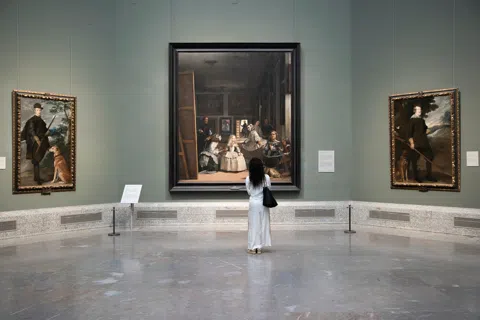
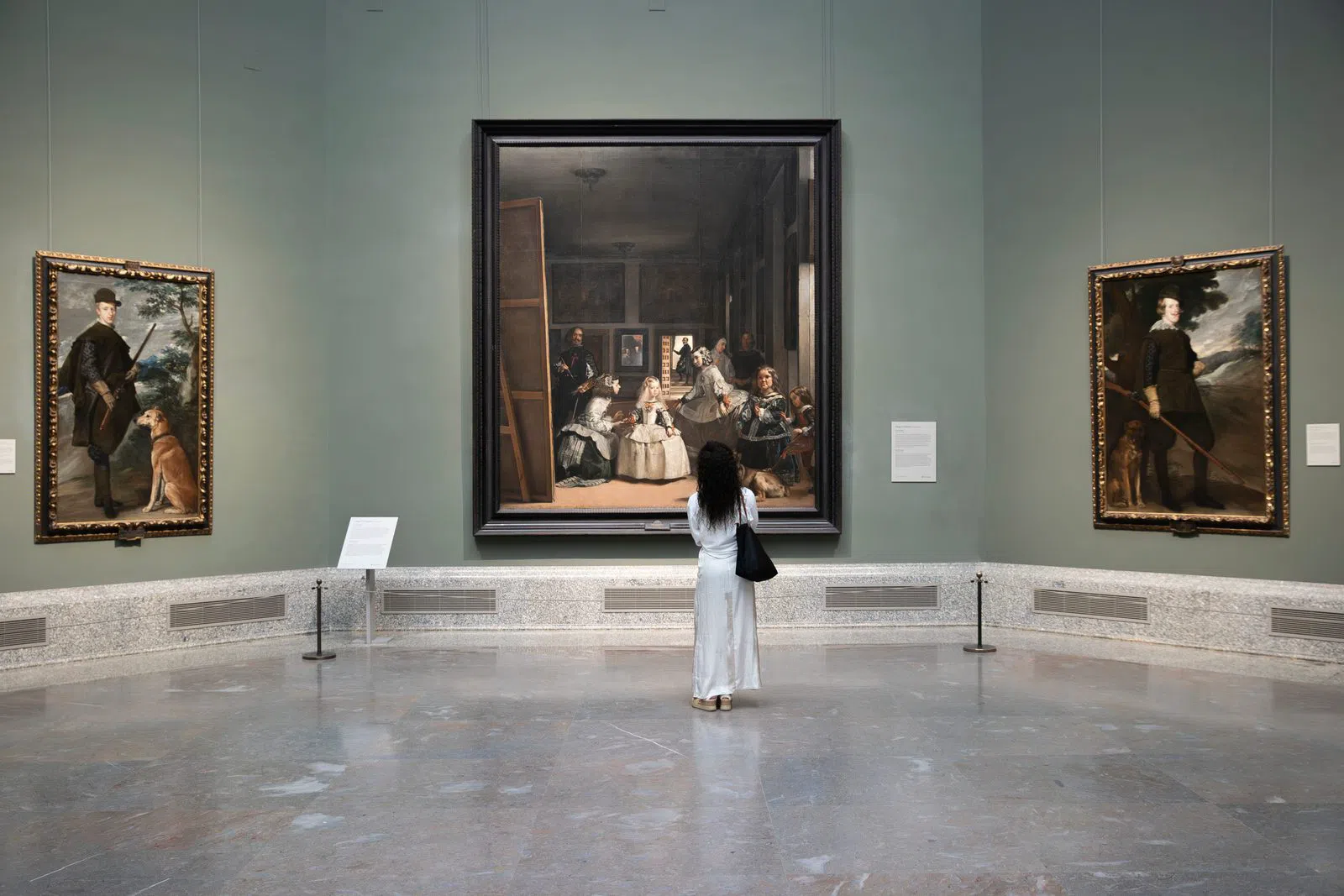
Museo Nacional del Prado (Paseo del Prado) is the first-timer's stop and a ten-minute walk from Atocha, and that walk is the practical argument for basing yourself down there. Entry is €15, and the last two hours of each day are free, including Sunday from 17:00 to 19:00. Do not use that Sunday window on the 27th: it collides directly with a 20:30 stadium door, and the free-hours queue is long enough to eat the margin. Take the paid morning ticket instead. Free entry is individual-only; groups need a booked group slot in advance.
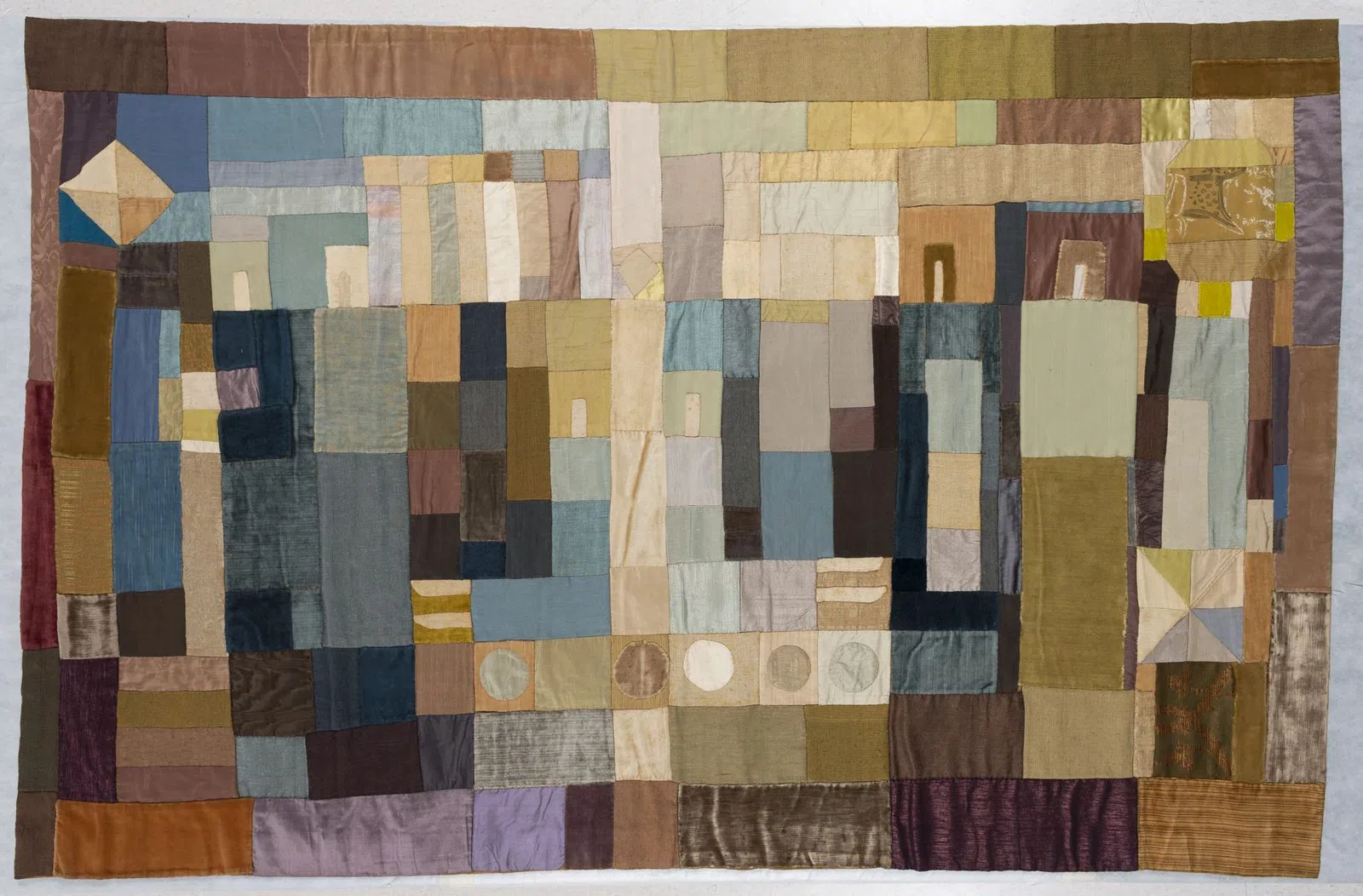
Museo Nacional Centro de Arte Reina Sofía (Atocha) is two minutes from the station, the simplest big museum to fold into a concert weekend. Entry is €12, free Monday and Wednesday to Saturday from 19:00 to 21:00, and on Sunday from 12:30 to 14:30. That Sunday slot is a midday window, not an evening one, and the museum closes early on Sundays, so treat it as a Saturday or a Sunday-lunchtime proposition rather than something you slot in after the market. The Guernica room takes a standing crush at peak hours, so go there first and work backwards. Groups over ten should book ahead.
A drink between the two
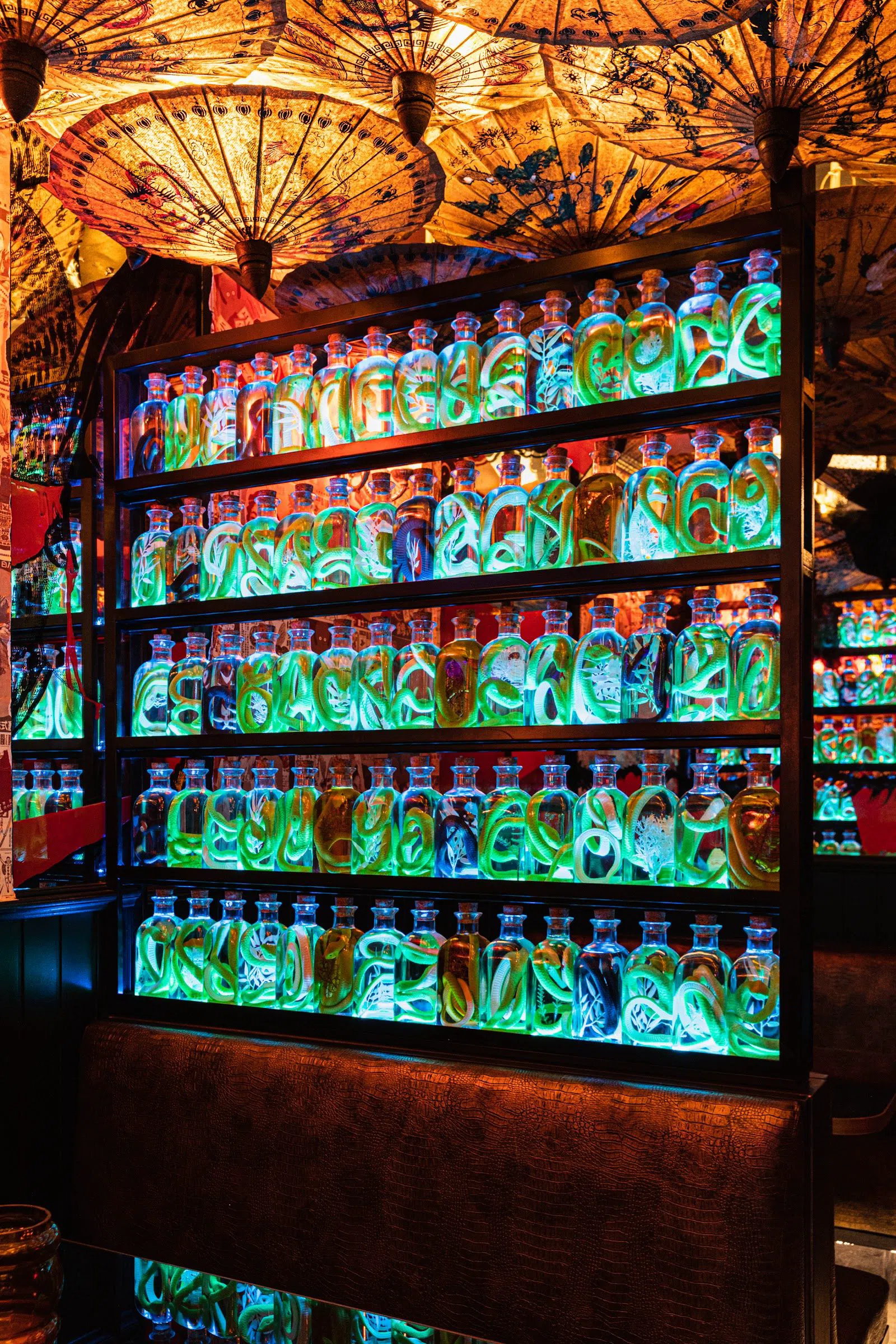
Salmon Guru (Barrio de las Letras) is five minutes from the Prado, turns ten in 2026 and was ranked 37th in The World's 50 Best Bars in 2025, so you can guess how full it is at nine o'clock. Cocktails are €14 to €18. Four people is comfortable, six is pushing it, and it does not hold tables for larger parties. If you are eight, split in two and meet afterwards, or go early and accept standing.
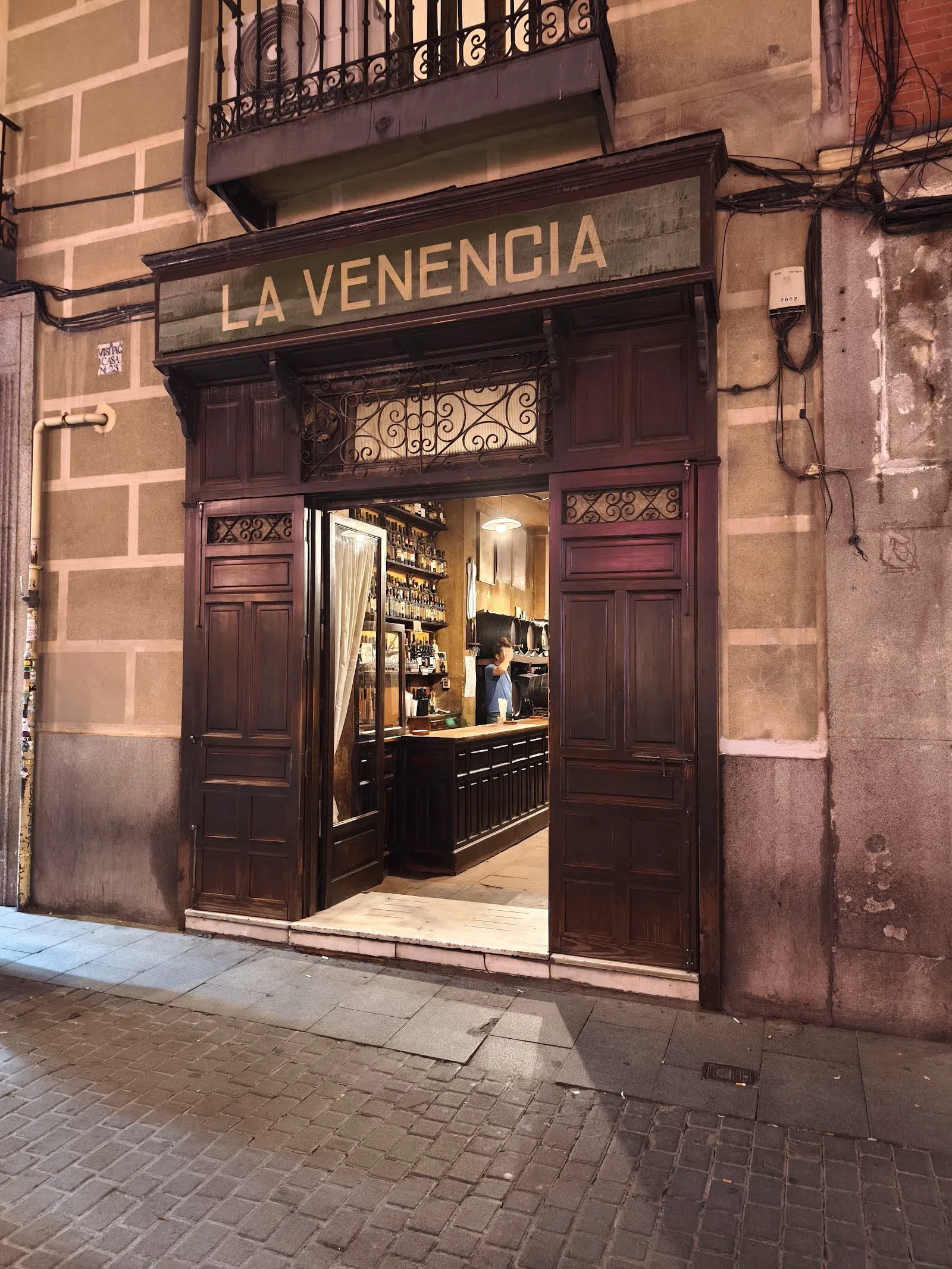
La Venencia (Barrio de las Letras) serves sherry and nothing else, allows no photographs and takes no tips. The rules are real and they are enforced, and that is why the room has survived unchanged. Glasses are €3 to €4 and tapas €4 to €8. It is tiny and standing-room, four at most, with nowhere to put a group of eight. Treat it as twenty minutes on the way somewhere rather than the evening itself.
Two rooftops, two different reasons

Azotea del Círculo de Bellas Artes (Alcalá, at the top of Gran Vía) charges €6 to €7 per person for the lift and €12 to €15 for a cocktail, which makes it the cheapest paid rooftop in the centre. There are no bookings for the terrace, so groups get in but seating is a scramble, and the lift queue peaks at the moment the light is worth having. Go on the non-concert evening, and go before golden hour rather than during it.
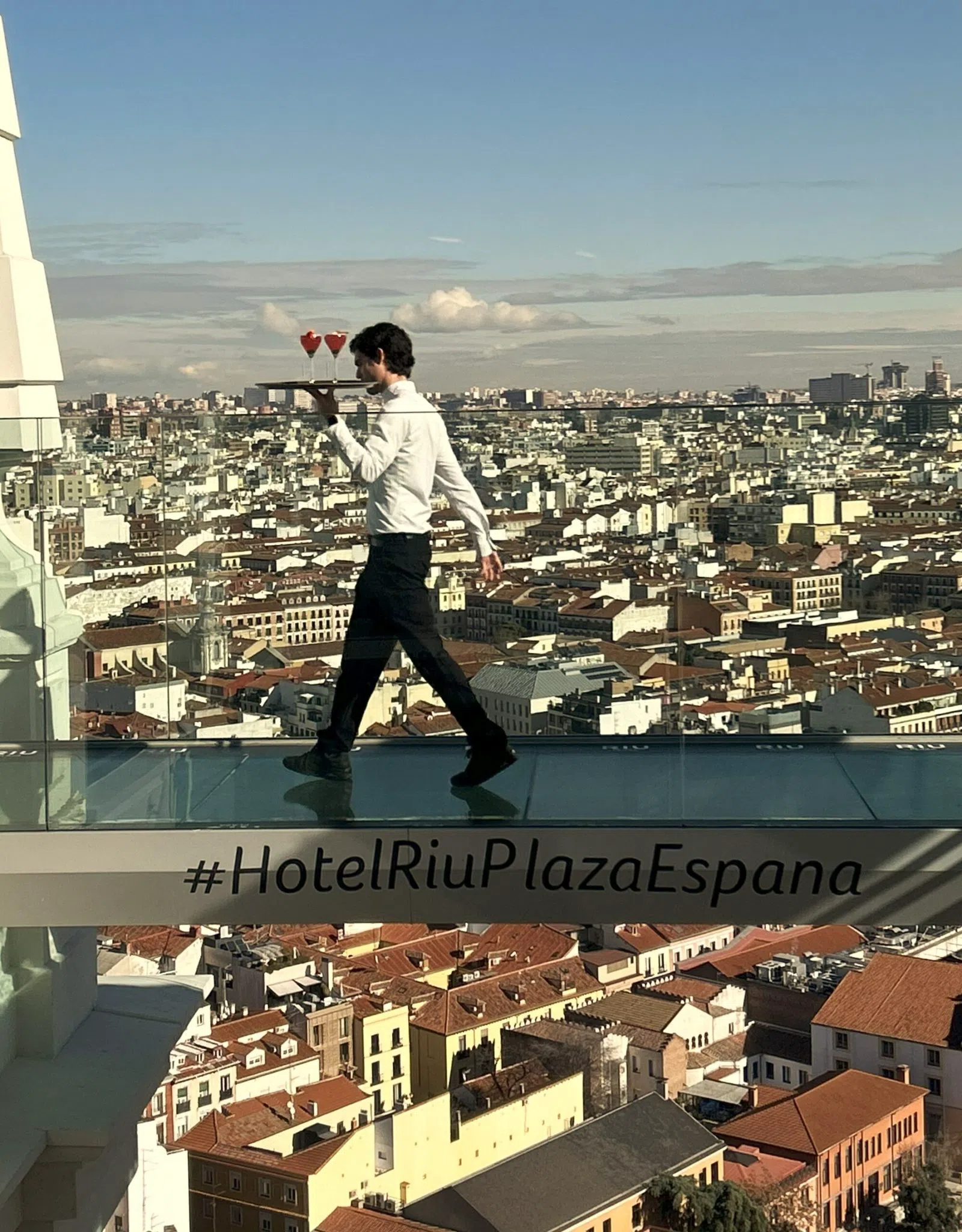
360° Rooftop Bar at Hotel Riu Plaza España (Plaza de España) is the only true 360-degree platform in the city, open daily from 11:00 to 02:00. Entry is €5 before 17:00, €10 after, and €20 for weekend express access; cocktails are around €13, and hotel guests walk in free with a key card. It takes walk-up groups without fuss. Pick it if what the group actually wants is the photograph rather than the drink; pick the Círculo if it is the drink.
Sunday morning, cheap and easy
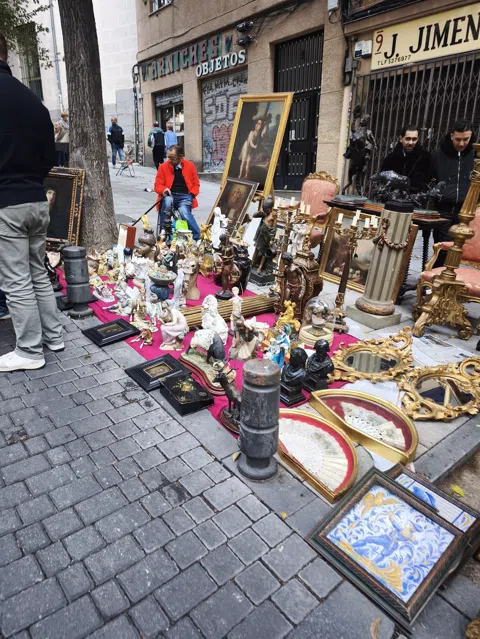
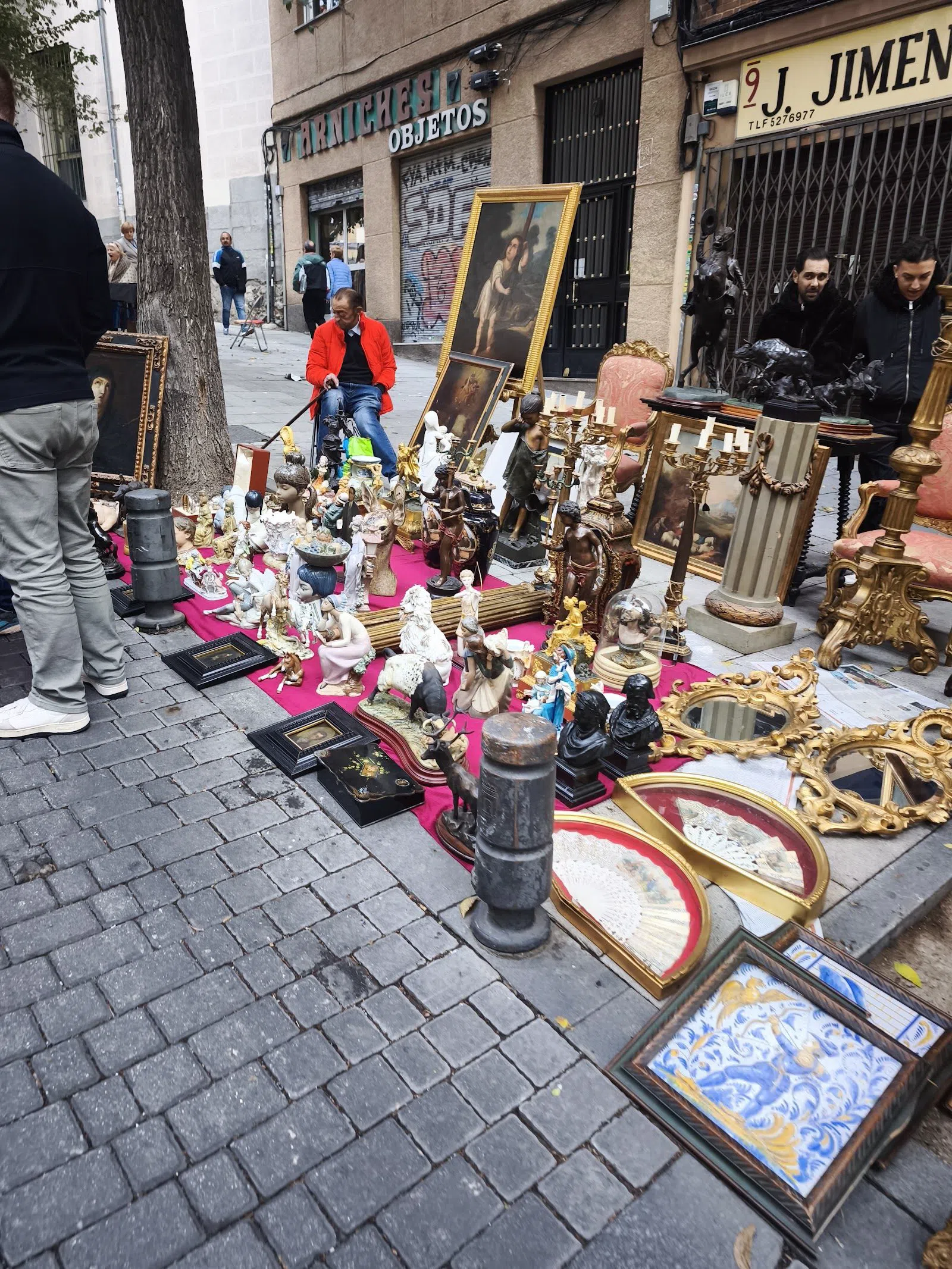
El Rastro (La Latina) runs Sundays and public holidays from roughly 09:00 to 15:00, free and unticketed, and on a Sunday show day it is the morning that costs nothing and demands nothing. Arrive before 10:00 or you will spend an hour shuffling. Keep the group small on the main run. It is shoulder-to-shoulder down there, and eight people trying to hold formation will lose each other and their tempers.
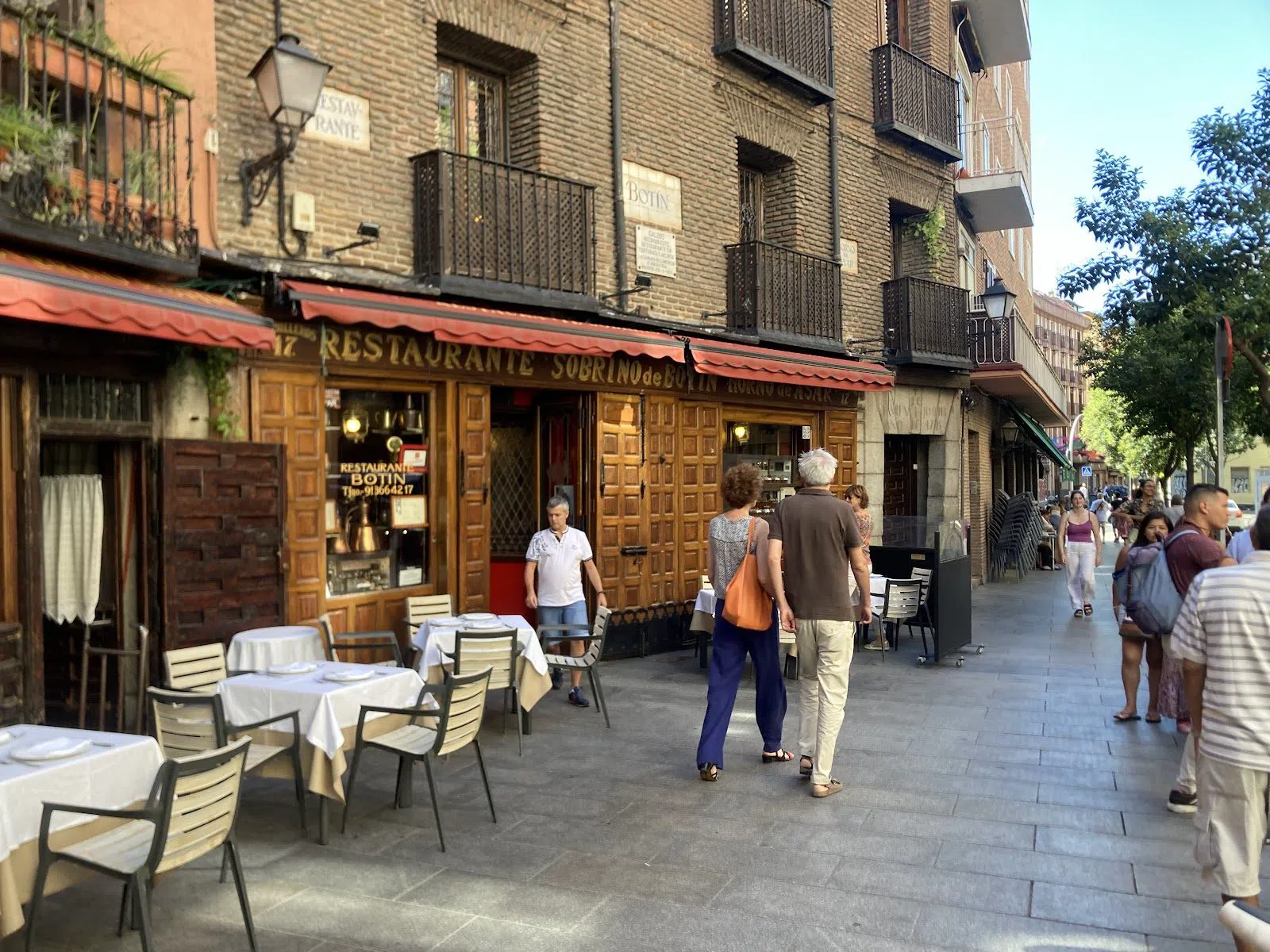
Sobrino de Botín (beside Plaza Mayor) is recognised by Guinness as the world's oldest restaurant and opens daily from 13:00 to 23:30, so the early sitting is a proper Sunday lunch with hours to spare before a stadium night. Reckon on €55 to €80 a head, book weeks ahead for a weekend table, and order the cochinillo; it is the reason the room exists. Group bookings spread across its several small rooms, so a party of eight will likely be split over two. Worth knowing before you arrive.
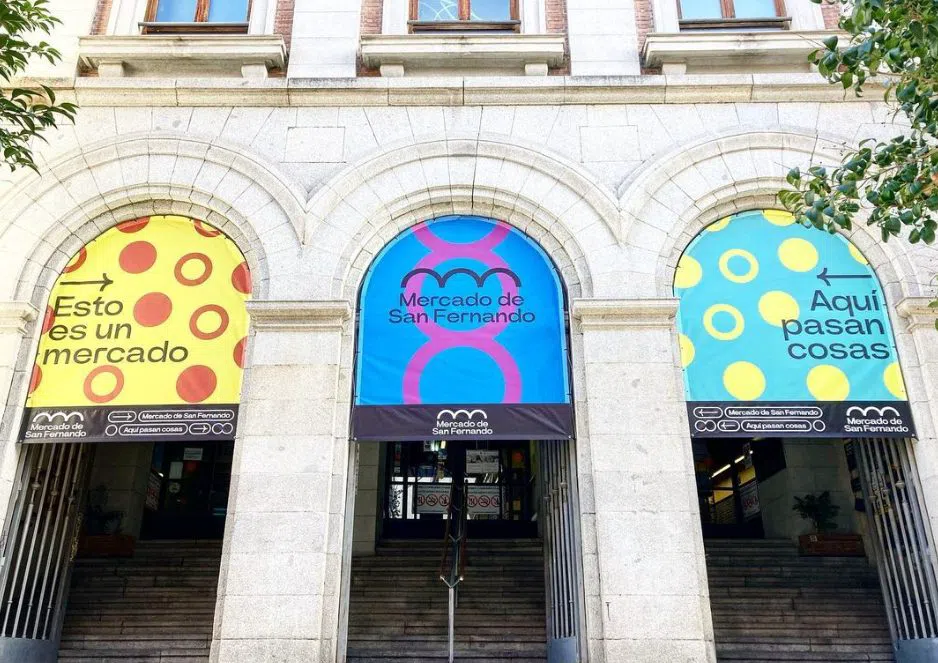
Mercado de San Fernando (Lavapiés) is the alternative if lunch should cost €10 rather than €70. Counter-service stalls, no reservations, plates at €3 to €8 and drinks at €2 to €4, one stop from the Line 3 spine and far less touristed than the market names most people arrive knowing. It suits a group of six or more because you can scatter to different stalls and reconvene. Hours vary stall by stall, so check before you build a Sunday evening around it.
Show day, hour by hour
The mistake on the 27th is going back to your room to change and then heading out again. That is two extra crossings of the city on the busiest transport day of the weekend. Go south early instead.
Matadero Madrid (Legazpi) is a former slaughterhouse turned arts centre, and it sits at Legazpi on Line 3, the same line that carries you onward towards the stadium. The site is free and needs no reservation, absorbs any size of group, and individual exhibitions may ticket separately; theatre in Nave 10 runs €10 to €25. It is the natural place to spend a show afternoon.

A workable shape: El Rastro from 09:30, lunch at Botín at 13:00 or the market at Lavapiés, then down to Legazpi by mid-afternoon. Matadero until around 18:30, something to eat near Legazpi rather than at the venue, and on to the stadium in good time for doors. Nobody backtracks, and nobody is eating a stadium hot dog at nine o'clock because the plan collapsed.
After the last song
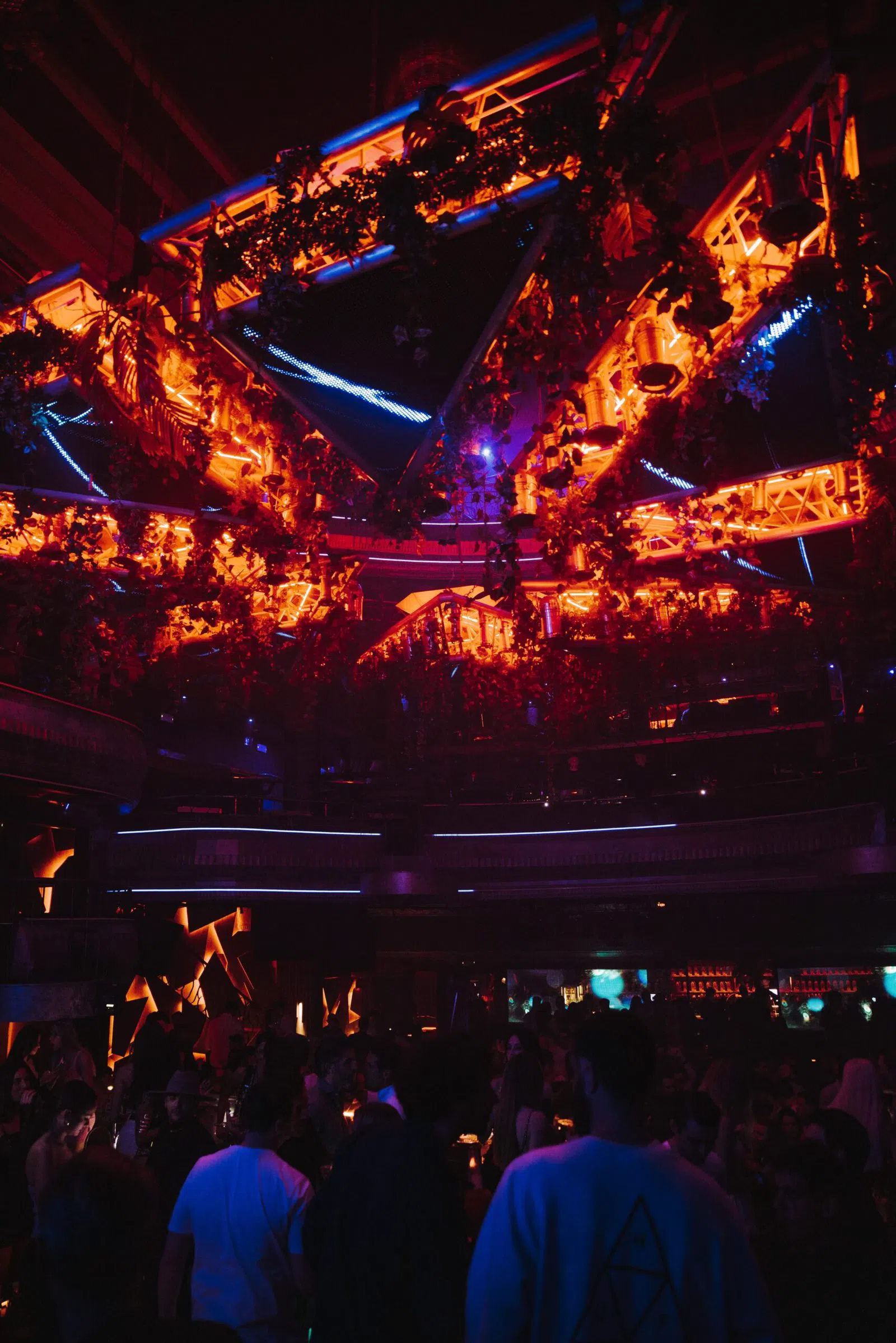
Teatro Kapital (near Atocha) is the city's landmark macro-club, 3,000 capacity, used to large groups, €18 to €25 entry with a drink and considerably more for a table; guest-list or a table booking smooths the door on a weekend. It also runs Thursday to Saturday only. On Sunday 27 September it is closed, so a post-show plan built around it will not survive contact with the door. If you want that night, take it on the Friday or Saturday. The concert night ends with a bar, and that is a fine way for it to end.
Practical notes
The metro runs from around 06:00 to 01:30, which is comfortable for a 20:30 show but not for a long night afterwards. Single central-zone rides cost a couple of euros and must be loaded onto a reusable Multi card bought once at any machine; an airport supplement applies on top of the fare in both directions. Line 3 is your weekend, so learn it and ignore the rest. After the show, taxis and ride-hailing surge hard at the venue exit and settle noticeably a ten-minute walk away.
Cards work almost everywhere, but El Rastro stalls and some market counters are cash-only or cash-preferred. Carry €30 to €40 in small notes for the Sunday morning and you will not think about it again. And tips are not accepted at La Venencia: that is a rule, not a gesture.
Sunday is the constraint. Reina Sofía closes early, its free window is midday, the Prado's free hours clash with the doors, El Rastro is finished by 15:00 and Kapital is shut. Everything above is arranged around those facts rather than in spite of them.
Beyond the ticket and the room, a realistic weekend runs €180 to €250 a head: two museums at €27, a tablao show at €55, a live music night at €15 to €25, a rooftop at €7 plus a drink, one restaurant sitting and the rest spent at market counters. The stadium ticket itself is the variable, from €60 to €250 and up.
For the wider picture (districts, the airport link, what is worth doing on a weekend without a concert in it), the Madrid guide covers the ground this piece deliberately does not.
Before you go
Where exactly is the Shakira stadium in Madrid and how do I get back afterwards?
Shakira Stadium at Iberdrola Music is a temporary, purpose-built venue at C/ Laguna Dalga in Villaverde, about 9 km south of the centre, reached down Metro Line 3. Doors are timed for a 20:30 start. Check the designated station and any shuttle arrangement printed on your ticket in the week of the show, and decide in advance whether you are queueing for the metro or walking ten minutes clear of the exit before ordering a car, because tens of thousands of people leave within the same few minutes.
Which area of Madrid should I stay in for the concert weekend?
Atocha puts you on the Line 3 spine with the Prado ten minutes' walk away, Reina Sofía two minutes away and the airport train in the same building. Lavapiés and La Latina are cheaper and livelier and sit one stop off that spine. Staying north of Gran Vía is perfectly pleasant but adds roughly twenty minutes to every leg of a show day.
Can I use the Prado's free evening hours on the day of the show?
Not on 27 September. The Prado's free window on Sundays runs 17:00 to 19:00, which collides directly with a 20:30 stadium door, and the free-entry queue is long enough to eat any margin you have. Take the paid €15 morning ticket instead. Free-hours entry is also individual-only, so groups need a booked group slot regardless.
Is there anywhere to go clubbing after the Sunday show?
Not at Teatro Kapital, which runs Thursday to Saturday only and will be closed on Sunday 27 September. If a big club night matters to the group, take it on the Friday or Saturday. The concert night realistically ends with a bar: Sala El Sol and the centre's cocktail rooms are the fallback, and the metro stops running at about 01:30.
Which venues actually work for a group of six or more?
Sala Clamores books cabaret tables and suits six to eight; Corral de la Morería seats groups in the tablao with advance booking; Mercado de San Fernando lets a large group scatter across stalls and reconvene; Matadero Madrid absorbs any size; and 360° Rooftop takes walk-up groups. Salmon Guru and La Venencia do not: four is the working maximum at both, so split larger parties in two.